Morocco +212 614 657470 UK +44 7843 812405

What Is the Best Time to Travel to Morocco?

What Is the Best Time to Travel to Morocco?

Planning your trip to Morocco starts with one important question: What is the best time to travel? The answer isn’t simple, because the best time to visit Morocco depends entirely on what you want to see, do, and experience. This complete guide will help you find the perfect time for your Moroccan trip.

Morocco is not a single place with a single climate. It is a country of mountains, deserts, and coastlines. The best time for a Sahara Desert tour is different from the best time for a beach holiday in Agadir. The best time to explore Marrakech is not the best time for hiking in the Atlas Mountains. To find your ideal time, you first need to be aware of Morocco’s weather.

Understanding Morocco’s Climate Zones

The coastal regions, including cities such as Essaouira, Rabat, and Agadir, experience a mild Mediterranean climate. The Atlantic Ocean maintains moderate temperatures throughout the year. Summers are warm but rarely extremely hot, with refreshing sea breezes. Winters are mild but can be damp and windy. This makes the coast a pleasant destination almost any time, though the summer and early autumn months offer the most reliable beach weather.

The imperial cities of Marrakech, Fes, and Meknes have a continental climate, characterized by more pronounced temperature variations. Summers in this region can be quite hot and arid, with July and August seeing temperatures frequently exceeding 38°C (100°F). Winters, in contrast, can be unexpectedly chilly, with nighttime temperatures occasionally approaching freezing, despite generally clear and sunny conditions during the day. The ideal times to visit these historic cities are in the mild seasons of spring and autumn.

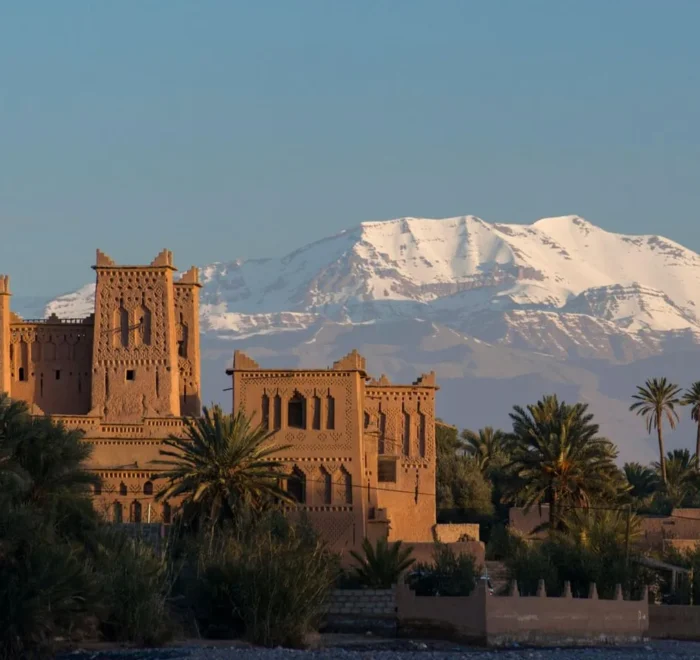
The Atlas Mountains have an alpine climate that changes dramatically with altitude. Temperature drops significantly as you climb, and the high peaks remain snow-capped from December through April. Summer provides cool, clear days perfect for high-elevation trekking, while spring and autumn are ideal for exploring lower valleys and traditional Berber villages. Winter transforms the region into a destination for skiing and snow-filled landscapes.

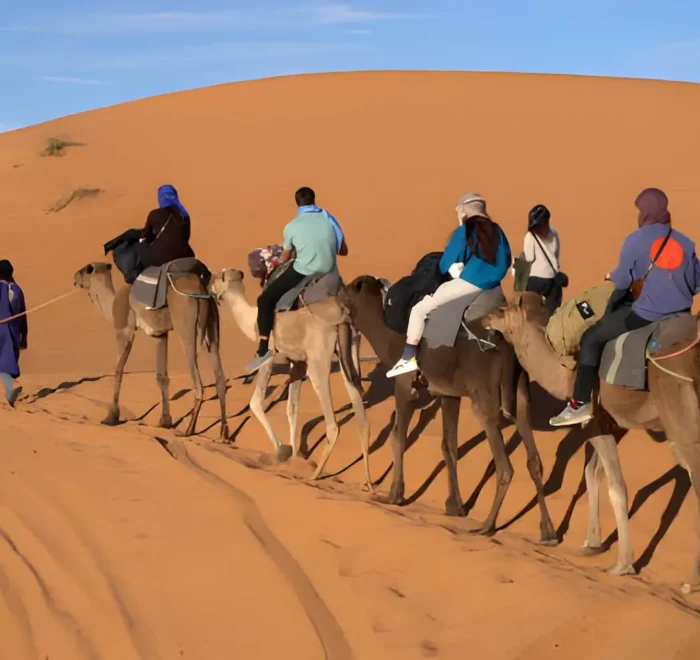
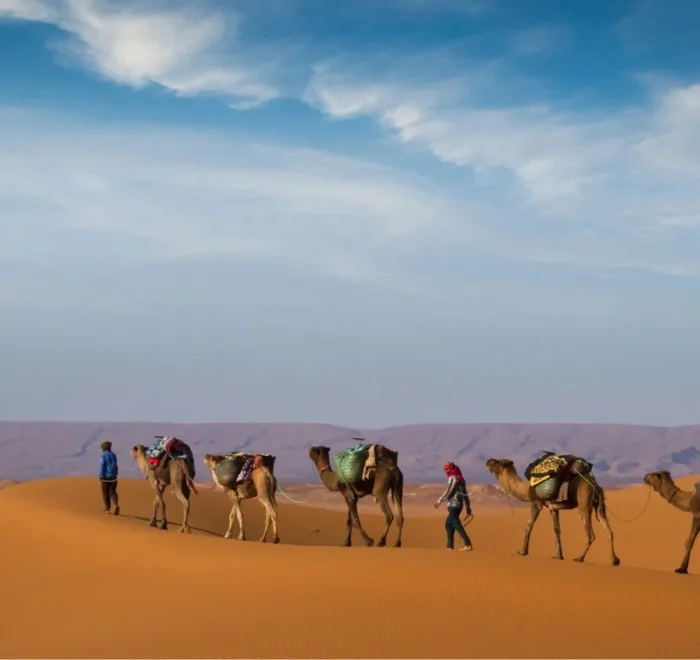
The Sahara Desert is a land of extreme temperature shifts. Summer days are intensely hot and can be unsafe for prolonged exposure, while winter days are warm and pleasant but followed by freezing nights. The short periods between these seasons, late autumn and late winter, offer the most balanced desert climate. This is the best time to travel for comfortable days and manageable nights in the dunes.

The Best Time to Travel to Morocco by Season

Spring (March to May): The Season of Bloom

For the majority of travelers, spring is the best time to visit Morocco. The weather is exceptionally agreeable across most of the country. Days are warm and sunny, perfect for long hours of sightseeing, while evenings are cool and comfortable. The countryside is at its most vibrant, with the mountains and valleys turning a lush green and bursting with wildflowers. This period is ideal for outdoor activities, from city tours to desert excursions, without facing the punishing heat of summer. The famous rose harvest in the Roses Valley in May is a particularly fragrant highlight. It is crucial to note that this popularity means higher prices and limited availability, so early planning is essential.

Summer (June to August): Sun, Sea, and Mountains

Summer is the best time to travel to Morocco if your trip involves coastal relaxation or mountain escapes. While the desert and inland cities experience intense heat, the Atlantic coast comes into its own. Towns like Essaouira and Agadir enjoy cool breezes and lively atmospheres, hosting festivals like the renowned Gnaoua World Music Festival in Essaouira. Simultaneously, the Atlas Mountains offer a sunny yet cool sanctuary, with excellent conditions for hiking. If visiting cities like Marrakech during this time, strategic planning is key; focus on early morning and late evening exploration to avoid the midday sun.

Autumn (September to November): The Golden Window

Much like spring, autumn is widely considered one of the best times to travel to Morocco. The residual summer heat dissipates, leaving behind warm, comfortable days and crisp, pleasant nights. This season is perfect for exploration, whether wandering through ancient souks or hiking mountain trails. The Mediterranean and Atlantic seas retain their summer warmth, extending the swimming season along the coasts. Autumn is also a season of harvest, offering chances to witness the date harvest in the desert oases and the beginning of the olive harvest. Due to its desirable conditions, this is another peak period where booking in advance is a necessity.

Winter (December to February): A Quiet Contrast

Winter presents a compelling and often overlooked opportunity to discover Morocco. It can be the best time to visit for travelers seeking fewer crowds and a more intimate experience. The coastal regions remain mild, though rain is more likely, while the inland cities have cool days and cold nights, perfect for cozying up in a riad with a fireplace. The Atlas Mountains are dusted with snow, creating stunning scenery and opportunities for skiing. The Sahara Desert offers pleasant daytime temperatures, though nights become extremely cold. Packing warm layers is non-negotiable for a winter trip.

Finding the Best Time for Your Budget

Your budget significantly influences the best time to travel to Morocco. The high seasons of spring and autumn command premium prices for flights and accommodations, requiring bookings months in advance. The shoulder seasons, particularly late November and February, often provide a sweet spot of good weather and more moderate prices.

For the best value, consider traveling in the low season. This includes the hot summer months (except for the busy coast) and the colder winter period (excluding the Christmas and New Year holidays). During these times, you will find the most competitive deals, though you will need to plan your itinerary to accommodate the more extreme weather.

How Special Events Influence Your Best Time to Visit Morocco

Cultural events can redefine the best time to go. Ramadan, the holy month of fasting, shifts each year according to the lunar calendar. Traveling during this time offers a deeply authentic cultural perspective, though visitors should be prepared for adjustments in dining hours and a more subdued daytime pace, requiring respect and flexibility.

Major festivals like the Rose Festival in May, the Gnaoua Festival in June, or the Marrakech International Film Festival in November can be magnificent highlights. If you wish to build your trip around such an event, planning and booking many months in advance is critical, as accommodations fill quickly.

Frequently Asked Questions

What is the best time to visit Morocco?

For the most consistently pleasant weather across the entire country, encompassing the cities, mountains, and desert, April and October are typically considered the single best months to visit Morocco. April offers spring blooms and green landscapes, while October provides warm days without summer’s intensity and clear skies before the winter chill. Both months sit in the sweet spot of perfect temperatures for an unforgettable Morocco tour.

Is it a bad idea to visit Morocco in the summer?

Not at all, but it requires a strategic approach. Summer is the best time to visit if you focus on the Atlantic coast (like Essaouira or Agadir) or the High Atlas Mountains. You should avoid the Sahara Desert and plan city sightseeing for early mornings and evenings to escape the peak heat.

What should I pack for a winter trip to the desert?

Nights are cold, especially in the Sahara desert, so bring layers: warm sweaters, a jacket, a scarf, gloves, and comfortable walking shoes. Days are mild, so lighter clothing is useful, along with sunglasses and sunscreen. For desert overnights, thermal layers help keep you comfortable.

How far in advance should I book my trip?

For travel during the best time to visit, spring and autumn, you should book your accommodations and tours at least 2 to 4 months in advance, especially for popular destinations like Marrakech and the desert camps. For summer coastal trips or winter travel, 1-3 months is usually sufficient.

Find Your Perfect Tour: Morocco Itineraries for Every Season

Ready to find your best time? Start planning your journey with us today. Explore our thoughtfully curated Morocco tours designed for every season, or contact our team directly for personalized advice on choosing your perfect travel dates.